Gwilym ap Ifor
Gwilym ap Ifor – Factual
While Gwilym himself is simply a change of my names into traditional Welsh (William – Gwilym and ap Ifor as my father’s name is Ifor); my family is from Aber and Llanfairfechan so it’s quite possible that the historical figure detailed below is somewhere in the family tree.
Dafydd ap Gruffudd Fantach appears in the court rolls in 1396, having been accused of holding a Bertrand Le French against his will (Bertrand having originally been brought to Llanfairfechan in the 1360s by Dafydd’s father Gruffudd). A year later he appears again, this time accused of stealing livestock. By 1401, he is with Gwilym ap Tudur at the capture of Conwy Castle. Keith Williams-Jones, quoted by A. D. Carr, states that Caernarfonshire would have been a “much more law-abiding area without Dafydd ap Gruffudd Fantach’s presence in the latter years of the fourteenth century’.
Dafydd ap Gruffudd Fantach is typical of the Welsh ‘Uchelwyr’ of the period, and while he is not listed in the Letters Patent of Outlawry of 1406, it is quite likely that he was involved in the rebellion.
A.D. Carr states that while no pedigree survives for Dafydd, the actions brought against him suggest he was a man of standing, and as such he would have had followers, both family – his invented cousin Gwilym – and others, and these would have followed him into the service of the Tudur brothers and then Owain Glyndŵr.
Gwilym ap Ifor
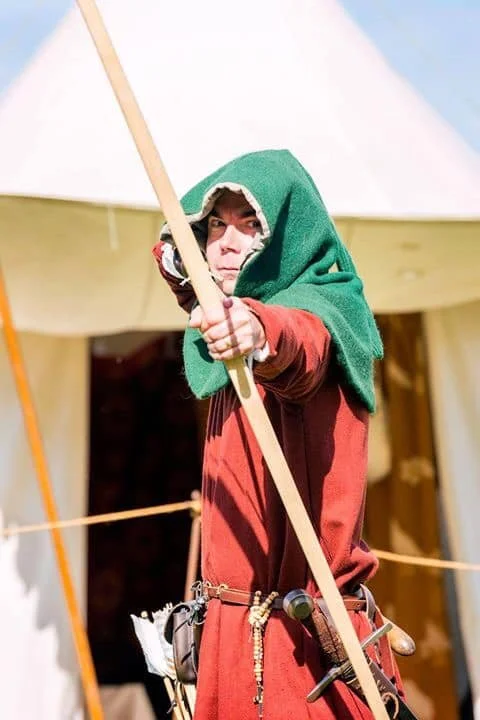
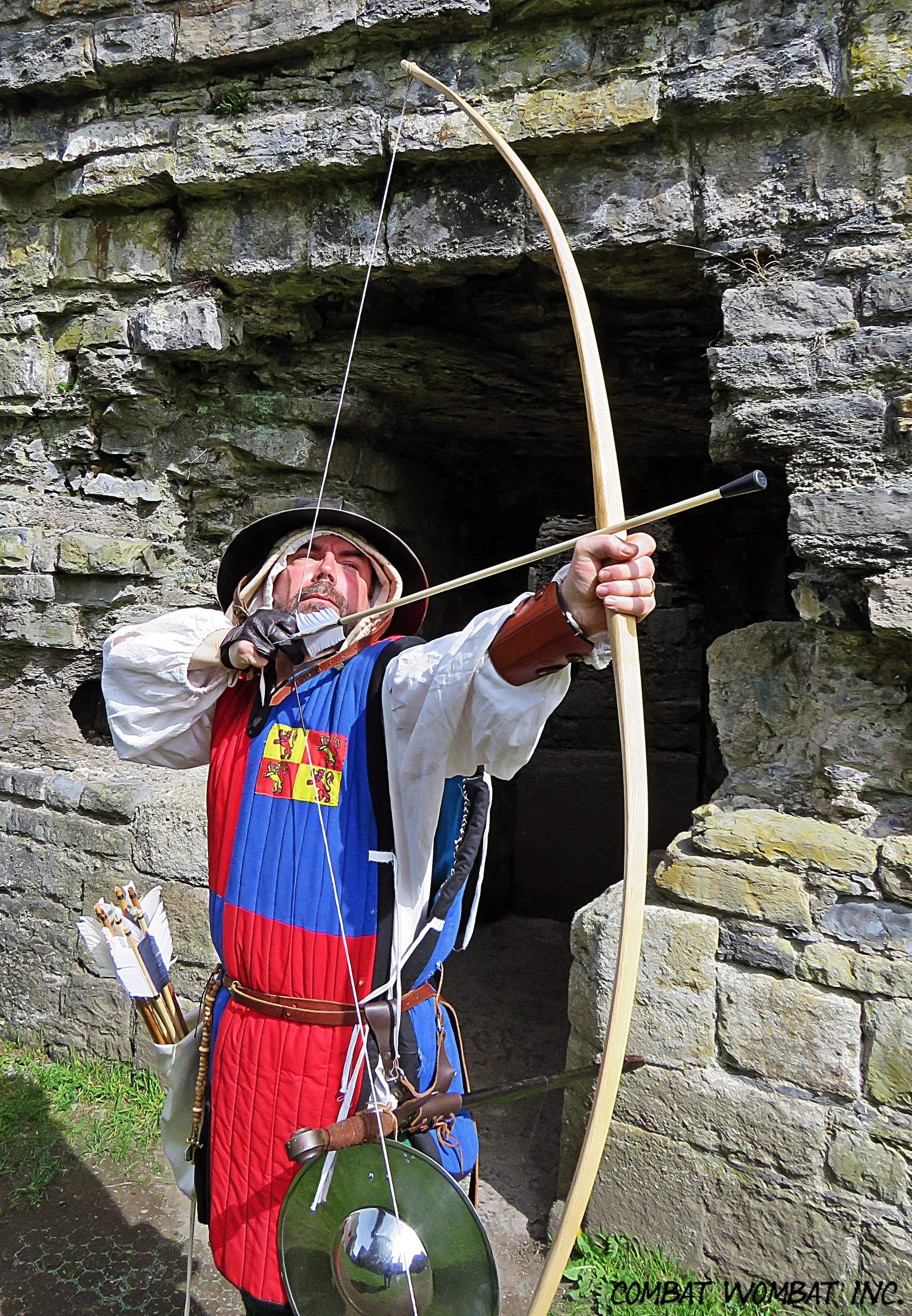
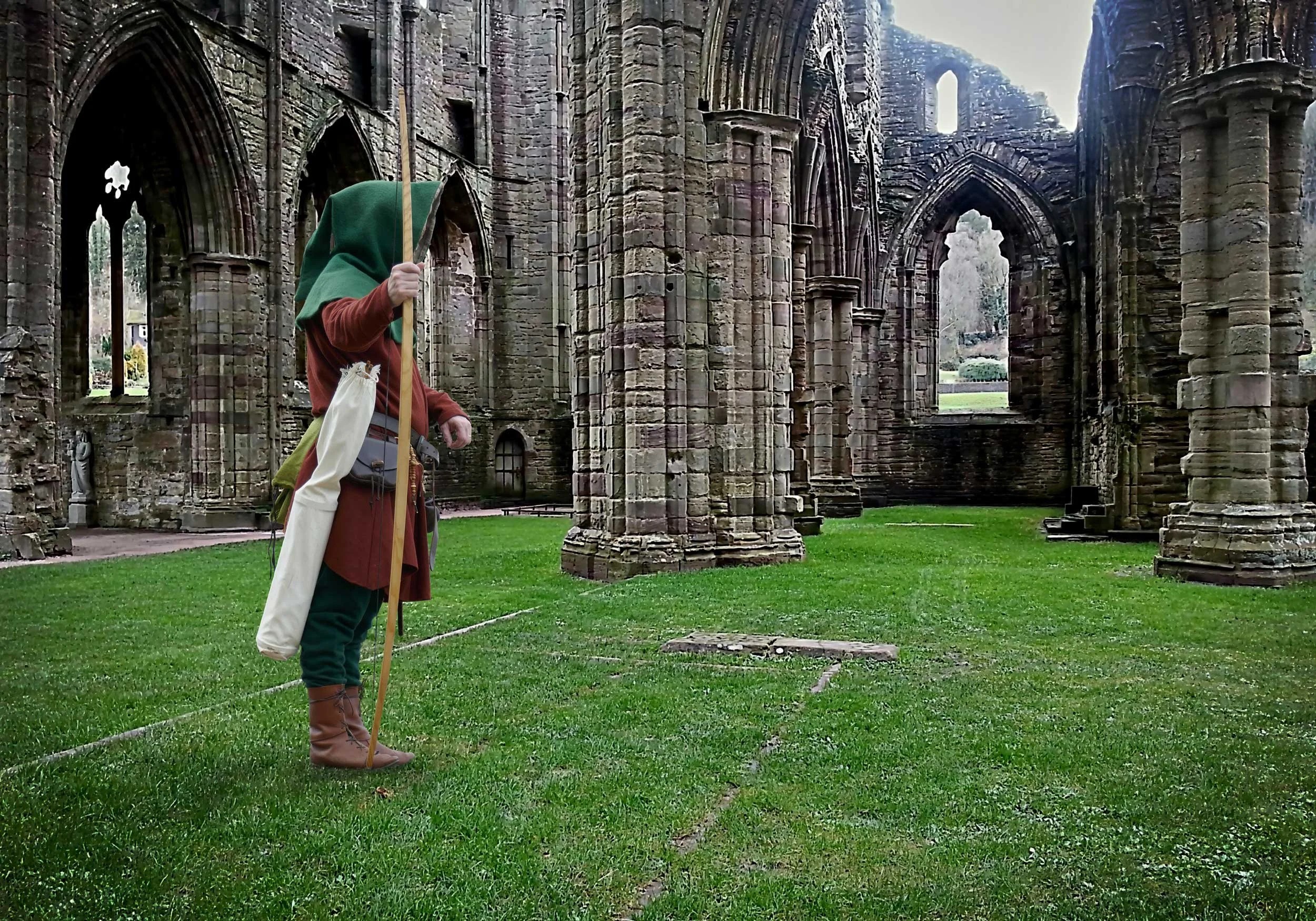
I am the son of Ifor ap Pedr of Abergwyngregin in Arllechwedd Uchaf. I followed my father as a forester in Aber, just as he had followed his father and grandfather, in the lands that were once those of the Princes of Gwynedd. I grew up close to my mother’s family in Llanfairfechan, getting into trouble with my cousin Dafydd ap Gruffydd Fantach. When he joined the band raised by Gwilym ap Tudur to support Owain Glyndwr, I left Aber to go with him. We were with Ap Tudur when he took the castle of Conwy from the English in 1401.
I escaped the decimation of our men when the castle was surrendered to the English as I had been sent with messages to Owain’s men in the south of Wales and stayed in south and mid Wales for the rest of the rebellion. By the end of the rebellion my parents had died, and the woman I would have married had married someone else. I took the King’s Pardon when offered, and instead of travelling home I approached Llew Goch, to see what he was doing. I had met him when he was with the Meibion, during the rebellion. He introduced me to Captain Horton, and I joined the Freemen of Gwent.
I have to admit that one of the other attractions is Goodwife Bess, servant to Sister Magdalen. We had met during the rebellion when Sister Magdalen was using her habit as cover to carry messages between different groups of Owain’s supporters, and we are biding our time until we can be wed, when Sister Magdalen eventually returns to her convent, and Bess can be released from her vows as a lay sister.